Discovering the Rich Tastes of Coffee Beans: a Deep Study Coffee and Blended Coffee Beans
When you discover the abundant tastes of coffee beans, you discover a complicated world where each variety brings its own character to your mug. Understanding the beginnings, refining methods, and roasting methods can transform your coffee experience. As you navigate with the art of espresso and the imagination behind mixed coffees, you'll begin to value the subtleties that make each sip unique. What you'll uncover next might transform the method you appreciate your early morning brew.
The Origins of Coffee Beans: Discovering Terroir and Flavor Profiles
When you take a sip of coffee, you're not simply appreciating a drink; you're experiencing an abundant tapestry of flavors formed by the beans' origins. Each area creates unique flavor accounts influenced by altitude, environment, and soil. Beans from Ethiopia often rupture with intense, fruity notes, while those from Colombia have a tendency to offer a well balanced, nutty sweetness.
As you check out various origins, you'll see how terroir-- the ecological elements influencing a plant-- plays a vital duty - Single Origin Espresso. The exact same coffee selection can taste substantially various depending upon where it's expanded
When you consider these variables, you begin to appreciate the intricacy behind your mug. Each sip narrates of the land and the farmers who supported the beans. Following time you indulge, think regarding the trip your coffee took before it reached your hands, and appreciate those intricate tastes that reflect its beginning.
Understanding Espresso: The Art and Scientific Research Behind the Mixture
When you assume regarding espresso, it's not nearly the solid taste; it's likewise about the techniques that bring it to life. Recognizing just how different preparation approaches influence taste can transform your brewing experience. Allow's check out the complexities of espresso prep work and reveal the one-of-a-kind flavor profiles that make each mug unique.
Espresso Prep Work Methods
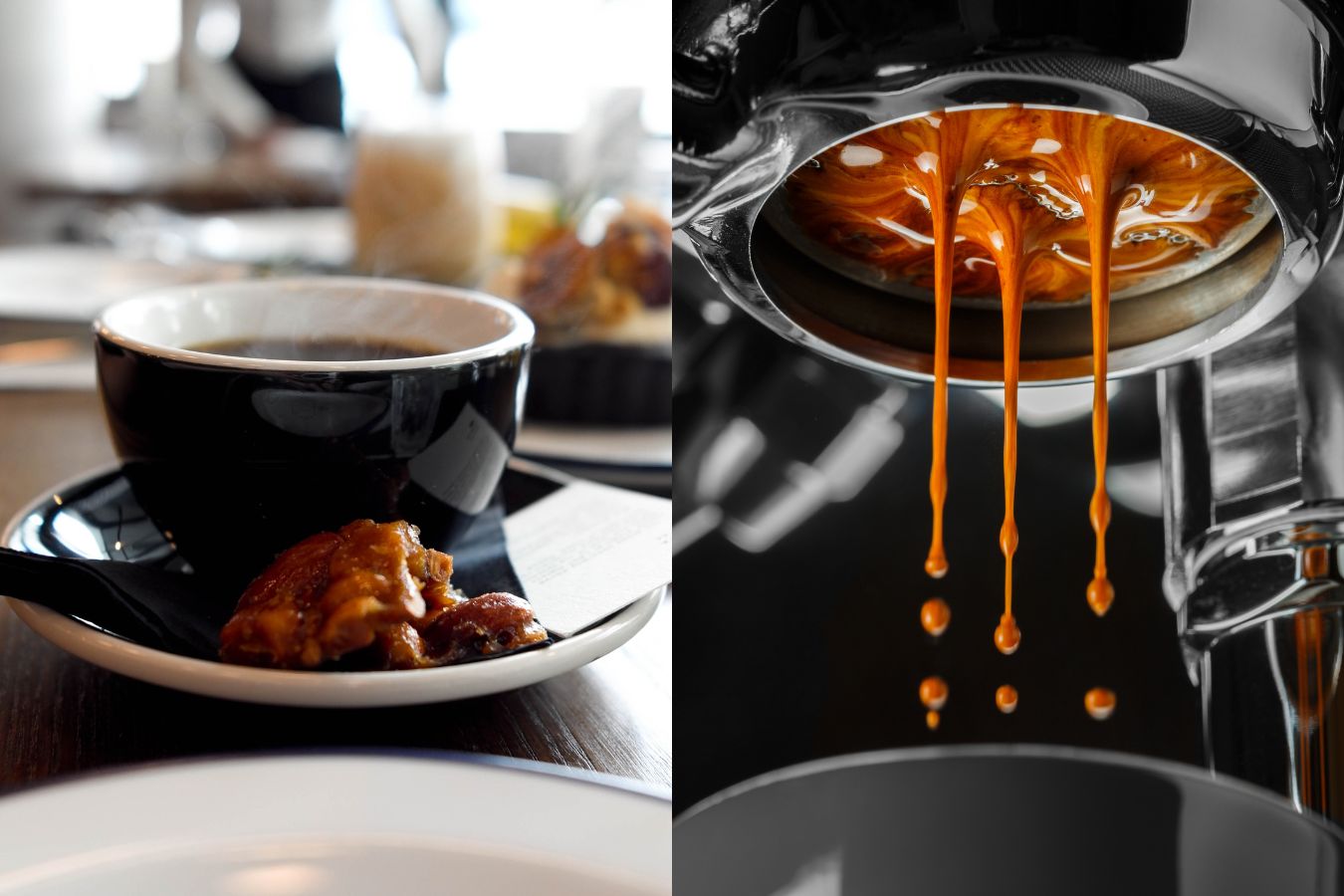
Espresso prep work is both an art and a scientific research, integrating precise strategies with a deep understanding of coffee. To begin, you'll intend to choose top quality, fresh baked beans and grind them finely for ideal removal (Single Origin Espresso). The grind size is essential; as well coarse, and your coffee will certainly be weak, as well fine, and it'll be bitter
Following, tamp the premises uniformly in the portafilter to guarantee consistent removal. When you lock it into the equipment, go for a developing temperature between 190 ° F and 205 °
F.As you draw the shot, look for the best extraction time-- around 25-30 seconds. The result needs to be an abundant, luscious coffee with an attractive layer of crema on the top. With technique, you'll grasp these strategies.
Taste Accounts Discussed
The globe of coffee provides an abundant tapestry of flavor accounts that can raise your coffee experience. When you take that very first sip, you'll notice an equilibrium of resentment, level of acidity, and sweetness. Each espresso bean carries special notes, from fruity and flower to nutty and chocolaty. Light roasts frequently showcase brilliant acidity and lively tastes, while dark roasts existing much deeper, bolder tones.
Comprehending these profiles assists you select the ideal coffee for your taste buds. Exploring with various blends can expose unusual combinations. A well-crafted blend might harmonize the bright notes of an Ethiopian bean with the abundant, chocolatey touches of a Brazilian bean. Accept the journey of uncovering espresso's diverse flavors, and you'll transform your coffee routine into an exciting adventure.
Handling Approaches: Exactly How They Impact Flavor and Aroma
While it could appear that the beginning of coffee beans is the most significant consider determining their taste and fragrance, the handling techniques utilized post-harvest play an equally crucial duty. You'll locate that these techniques can dramatically modify the last taste profile of your cup.
As an example, the washed process gets rid of the fruit from the beans before fermentation, usually causing a cleaner, brighter flavor. Meanwhile, the all-natural procedure leaves the fruit intact throughout drying, causing a sweeter, fruitier profile.
Other methods, like honey handling, strike a balance, allowing some fruit mucilage to continue to be, supplying a distinct intricacy.
Each processing method interacts with the beans' intrinsic characteristics, improving or silencing specific flavors and fragrances. When you drink that coffee or blended coffee, keep in mind that the trip from cherry to mug is affected not just by origin however additionally by just how those beans were processed.
Roasting Methods: Opening the Complete Potential of Coffee Beans
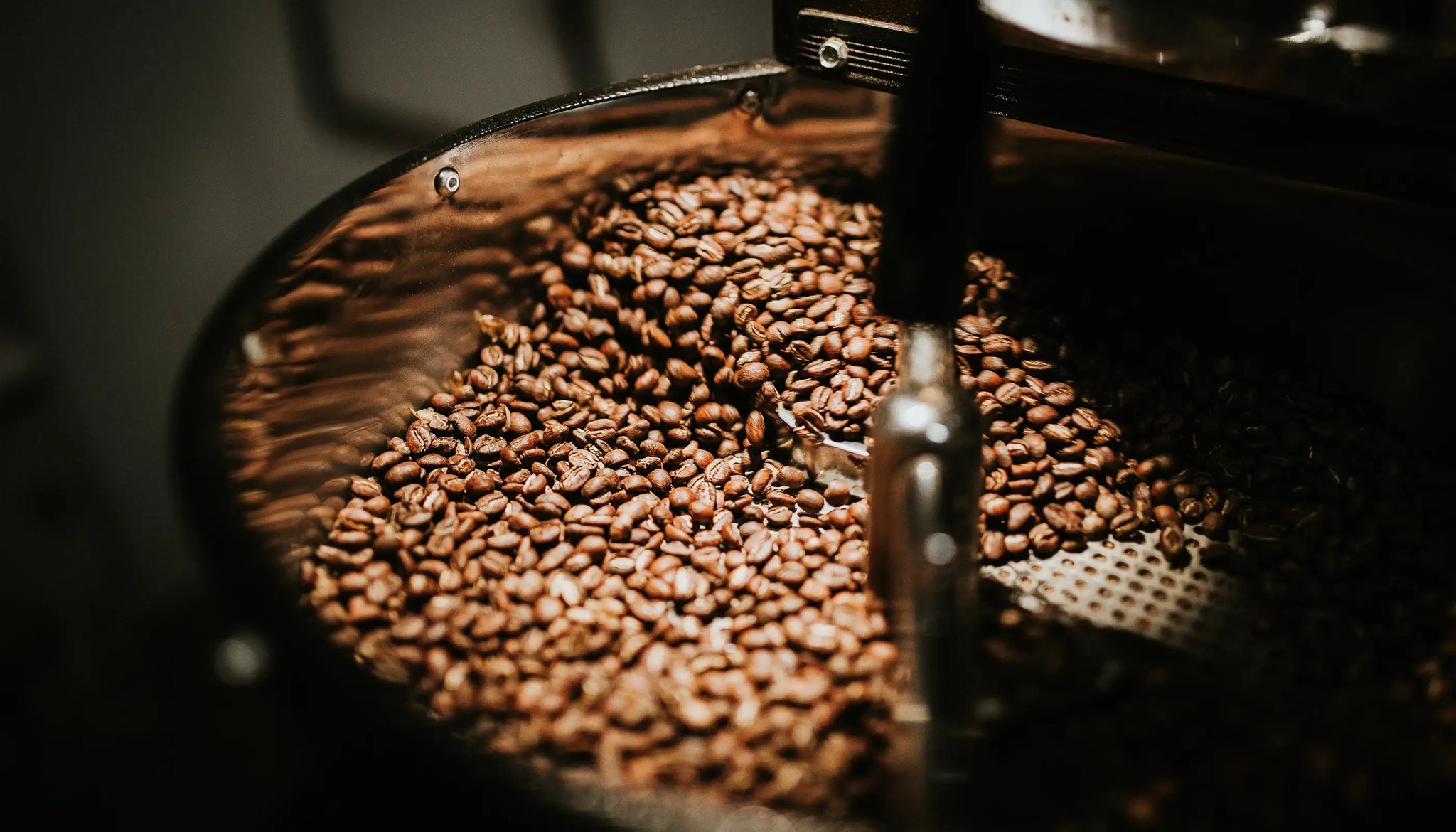
Roasting techniques are crucial for revealing the full capacity of coffee beans, as they change raw, green beans into the aromatic, delicious coffee you enjoy. The choice of roasting technique-- light, tool, or dark-- drastically affects taste profiles. Light roasts preserve the beans' all-natural level of acidity and fruity notes, while tool roasts equilibrium sweetness and richness. Dark roasts, on the various other hand, emphasize strong, smoky tastes.
A slower roast at lower temperature levels enables for complex tastes to establish, while a quicker roast can magnify anger. By understanding these methods, you'll reveal a globe of flavor, boosting your coffee experience to brand-new heights.
The Magic of Blended Coffee: Developing Special Flavor Experiences
Creating an one-of-a-kind taste experience with blended coffee can change your early morning routine into an expedition of taste. By incorporating different beans from numerous regions, you can expose a harmony of flavors that elevate your cup to brand-new elevations. Each blend deals a distinct account, balancing body, sweetness, and level of acidity to create something absolutely special.
When you select a mix, you're not just choosing a coffee; you're selecting a journey throughout varied landscapes and cultures. Trying out various combinations enables you to uncover your personal favorites, whether you enjoy fruity notes or rich, chocolatey touches.
Tasting Notes: Recognizing the Nuances in Your Mug
As you drink useful content your coffee, you may see a spectrum of tastes dancing on your taste, each revealing the details of the beans. You may taste the intense acidity similar to citrus or the deep, abundant notes akin to dark chocolate. The sweet taste could evoke honey or caramel, stabilizing the overall account wonderfully.
Take notice of the body of the coffee-- does it feel ventilated and light, or is it full and velvety? The coating, as well, provides clues; a remaining aftertaste might hint at nuttiness or floral touches.

Don't neglect to explore the special attributes of various origins, as each region gives distinct tastes - Single Origin Espresso. For example, Ethiopian coffees commonly present fruity notes, while Colombian beans might showcase a more spherical sweet taste. By acknowledging these nuances, you'll deepen your admiration for every cup, boosting your coffee experience to brand-new elevations
Brewing Methods: Making The Most Of Taste Extraction for Every Bean
When you discover the different brewing approaches, you'll discover that each strategy can substantially impact the flavor profile of your coffee. From French press to pour-over, each method removes different compounds, improving or muting certain notes. For example, making use of a French press enables oils to remain in the mixture, creating my link a richer preference, while pour-over highlights clarity and illumination.
Temperature and grind dimension likewise play vital roles. A coarser work works best for cool brews, while a great work is optimal for espresso. Trying out with water temperature-- in between 195 ° F and 205 ° F-- can reveal surprise flavors, as well.
Don't ignore steeping time; a fast extraction can lead to sour notes, while over-extraction might produce anger. By changing these variables, you can take full advantage of taste extraction and truly raise your coffee experience. Enjoy the trip of finding what method finest suits your taste buds!
Regularly Asked Concerns
What Is the Ideal Water Temperature Level for Developing Coffee?
The excellent water temperature for developing coffee's between 195 ° F and 205 ° F. If you use water that's too warm, you'll over-extract flavors; also cold, and you will not draw out sufficient. Goal for that sweet area for the very best mixture!
How Does Work Dimension Impact Coffee Taste?
Grind dimension significantly influences coffee taste. Better grinds extract a lot more oils and tastes, leading to a bolder preference, while coarser grinds return a lighter flavor. Changing grind size assists you attain your wanted coffee account.
Exist Health Perks Associated With Alcohol Consumption Coffee?

What Is the Difference Between Arabica and Robusta Beans?
Arabica beans are smoother and sweeter, typically including fruity flavors, while robusta beans are more powerful with a bitter preference and greater high levels of caffeine web content. You'll see these distinctions in scent and brewing experience.
How Can I Shop Coffee Beans for Quality?
To save coffee beans for quality, keep them in an airtight container, far from dampness, light, and warm. You'll preserve their flavor much longer if you only grind what you require right before brewing.
Exploring the Abundant Flavors of Coffee Beans: a Deep Dive Into Coffee and Blended Coffee Beans.
When you check out the abundant flavors of coffee beans, you reveal a complicated globe where each selection brings its own personality to your cup.When you take a sip of coffee, you're not just enjoying a beverage; you're experiencing a rich tapestry of tastes shaped by the beans' beginnings.Roasting techniques are essential for exposing the full capacity of coffee beans, as they change raw, eco-friendly beans into the fragrant, flavorful coffee you appreciate.As you sip your coffee, you view might observe a spectrum of flavors dancing on your taste, each exposing the intricacies of the beans.